Pour les fans de Folk & Blues, Pays, Indé et Alternatif, et Rock.
genre_page_link
Five decades on, there’s still never been another artist that so many have written and speculated about to no avail whatsoever. Bob Dylan is still an enigma in an age where artifice and construct pretty much exists to be torn down and exposed. This is still the case even after he began publishing his own memoirs, and that’s saying something.
All we know for sure about one of the most influential and respected recording artists is that he earned that title with each and every one of his 35 studio albums, from 1962’s self-titled debut, to his most recent effort 2012’s “Tempest”.
It’s pretty much pointless to try and sum up Dylan’s career unless you’ve been given a books amount of space to do so. His countless amounts of reinventions and the sheer musical diversity on display give even the chameleonic likes of Bowie and Madonna a run for their money.
Every single incarnation has given the world something entirely unique, from the serious troubadour of 1964’s “The Times They Are a-Changin’!” through the rock and roll Judas of “Highway 61 Revisited”, all the way up to his Gospel period heralded by 1979’s “Slow Train Coming”, or more recently, the thunderous urban Blues of 2009’s “Together Through Life”.
This is a man whose influence on music and pop culture in general is up there with his old buddies The Beatles (who, legend has it, Dylan introduced to weed on the set of the film “Help!”). So the truth of the matter is that even if you aren’t a fan of his songs, Bob Dylan is still more deserving of your respect than practically any other solo artists in music history.
Williams was born in Lake Charles in Louisiana, USA. She showed a passion and talent for music from a young age, learning to play the guitar at just 12. In 1978 Williams moved to Mississippi in order to record her first album for Smithsonian/Folkways Records. It was titled ‘Ramblin’ and consisted of an assortment of covers. It received little attention, as did her follow up album made up of original material, which was released in 1980 and titled ‘Happy Woman Blues’.
Williams did not begin to receive a following until the 80s when she moved to California and in 1988 she finally earned some much deserved recognition with her eponymous album. The main single from the album, ‘Changed the Locks’ was an instant money-maker for the singer/song writer. It played on radios throughout the country and made Williams a household name. The next single off the album, ‘Passionate Kisses’, was even bigger and earned the singer a Grammy Award for best country song. However, her biggest hit to date did not come until 1998 with her album ‘Car Wheels on a Gravel Road’, which fused a number of genres including rock, blues, country and Americana. The album went gold and earned Williams yet another Grammy. This was her biggest breakthrough and, despite releasing a number of hit albums since, remains her greatest triumph. In 2002 Williams was given the honour of being named TIME magazine’s best American song writer.
First off, I'm far from a total Dylan expert but a do like him and his music a lot. I've seen him 15 times. I've only seen Grateful Dead and R.E.M. more times.
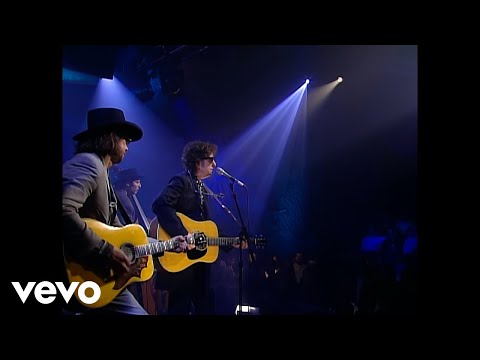
Bob Dylan is a cultural icon who can still rock with the best of them. Like McCartney or the Stones a Dylan show should be on your musical bucket list. Dylan is the cultural and musical troubadour of the 60's who refused the media coronation of him as the voice of a generation: "Don't follow leaders, watch your parking meters". He combines the personal and political in his songs to highlight injustice, celebrate the common man, put down the uncool, and remind people to think for themselves. His lyrics pushed beyond what the boundaries of popular storytelling had been. He brought beat poetry, abstract imagery, tumbling meter and a magpies gift for "borrowing" from folk masters and blues legends to the general public.
So why see him now? Dylan tours incessantly with a top notch band of rhythm and blues masters who pump out a massive groove for Bob to hang his melodies upon. Dylan's voice is rougher and he hides more than he reveals with his current vocal style. It's true that his voice is an acquired taste, especially now. He changes keys , tempos and rearranges his songs sometimes even surprising the band! I think he does it to keep the music fresh for himself and to make it harder for the audience to sing along: we're forced to listen. And we hear a mix of newer songs and the classics: Tangled Up In Blue, Blowin' In The Wind, All Along The Watchtower (not a DMB song ya know!), Knockin' On Heavens Door, and Like A Rolling Stone.
How does it feel? Like a celebration of heartland rock and roll baptized in the Mississippi and polished by a life on the road. It's a rollicking ride and a celebration of music at the heart of our culture. Don't expect small talk or patronizing shout outs; you'll be lucky if he cracks a smile. The music is his message and you'll be darn glad you heard it.
Lucinda Williams is a legendary songwriter and performer. She played a nice cross section of her songs from over the years supported by an extremely strong band, featuring Stuart Mathis from The Wallflowers on guitar. If you're expecting some weepy country songs, you'll get 'em, but also expect her and this band to rock your socks off. The highlight for me was a cover of Neil Young's Rockin' in the Free World. Lucinda is 61, but the way she and the band plays, you'd think they were a hot new band on the road to make new fans. She's not to be missed.